
Indonesian vs Filipino Helper for Baby or Elderly Care
Are Indonesian maids better than Filipina maids for newborn or elderly care? Compare individual experience, safety, communication, and household fit.
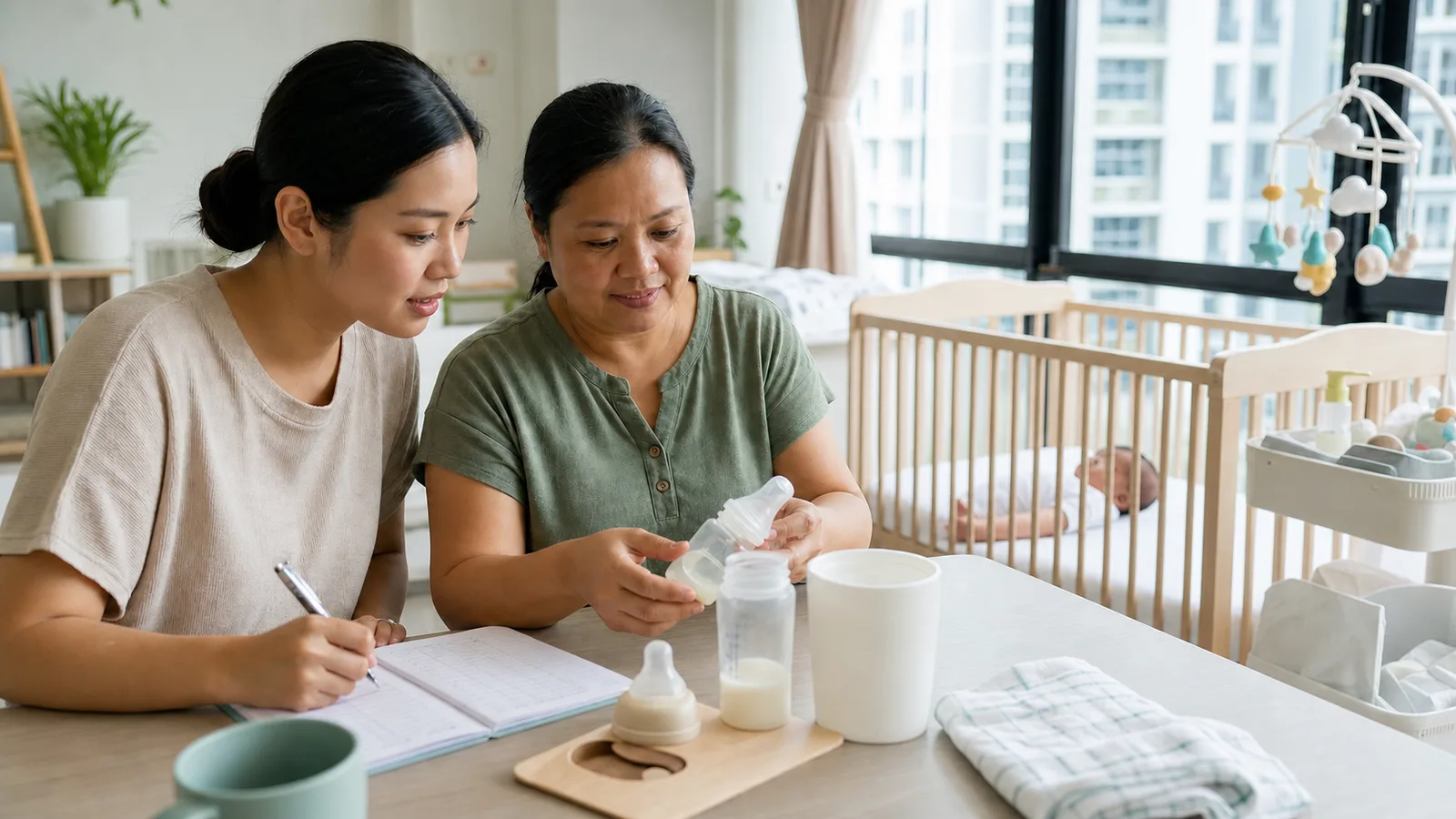
Indonesian and Filipino helpers can both be suitable for newborn care, childcare, elderly care, or general household work. Nationality is not a care qualification. The useful question is which individual has recent, relevant experience, communicates clearly with your family, demonstrates safe judgment, and accepts the real job and working conditions.
Quick answer: compare evidence, not nationality
Indonesia and the Philippines are both on MOM's list of approved source countries for migrant domestic workers. The same Work Permit framework applies, while individual contracts and source-country requirements can differ. Start with comparable Indonesian helper profiles and Filipino helper profiles, then score each person against the same care tasks.
Why nationality shortcuts fail
Two helpers from the same country can have completely different education, languages, household experience, confidence, and care exposure. One may have cared independently for a newborn; another may only have helped an adult who was always present. One may have supported a mobile senior; another may have experience with transfers and night care. A nationality label cannot tell you which situation applies.
For a newborn, verify the exact age and tasks
“Childcare experience” is too broad for a newborn role. Ask the age of every child at the time of care, how long the helper worked with the family, who was present, and which tasks she performed without prompting. Use a doll or spoken scenario for assessment; never use a live baby as an interview test.
- Hand hygiene, bottle preparation, sterilising, and following expressed-milk or formula instructions
- Nappy changes, bathing support, cord or skin-care instructions, and safe changing surfaces
- Safe sleep routine and the ability to follow the parents' current instructions
- Recognising and reporting fever, breathing difficulty, poor feeding, unusual sleepiness, or injury
- Recording feeds, sleep, nappies, medication given by the parent, and anything unusual
- Managing baby care safely when cooking, cleaning, or another child also needs attention
Use current health guidance rather than inherited household habits. HealthHub's baby sleep guidance is a useful reference when you write your own routine. Parents remain responsible for explaining their child's medical and feeding instructions and arranging professional care when needed.
For elderly care, match the level of support
“Elderly care” can mean companionship and meals for an independent senior, or intensive support for mobility, continence, dementia, swallowing difficulty, and frequent night waking. Describe the senior's current abilities and ask the candidate to separate what she handled independently from what a nurse or family member did.
- Safe walking, wheelchair use, transfers, falls prevention, and the limits of the helper's training
- Bathing, toileting, skin care, dignity, and infection-control habits
- Meal texture, hydration, feeding support, allergies, and signs of swallowing difficulty
- Medication reminders versus medication administration or clinical procedures
- Dementia-related repetition, refusal, agitation, wandering risk, and calm redirection
- Accurate updates about pain, appetite, urine, bowel movements, sleep, mood, or sudden change
Use the same interview scorecard for everyone
| Area | Newborn evidence | Elderly-care evidence |
|---|---|---|
| Relevant experience | Baby's age, duration, exact independent tasks | Senior's condition, duration, exact independent tasks |
| Safety judgment | Safe sleep, hygiene, choking or fever response | Falls, transfers, swallowing, sudden-change response |
| Communication | Feed and symptom updates; asks when unsure | Clear handover; reports changes promptly |
| Physical and emotional fit | Night routine, patience, competing tasks | Mobility demands, repetition, privacy, night waking |
| Employment fit | Salary, rest days, start date, accommodation | Salary, rest days, start date, accommodation |
Test communication for the actual household
Do not assume English, Bahasa Indonesia, Malay, Mandarin, or dialect ability from nationality. Hold the interview in the language used for daily care and include realistic vocabulary. A safe candidate should be able to repeat critical instructions, identify missing information, and say when she needs help. Accent and polished introductions matter less than comprehension and accurate reporting.
Ask these care-specific interview questions
- Describe a full day in the most relevant care job you have done.
- Which duties did you do alone, and which did a parent, nurse, or relative handle?
- Tell me about a change in a baby's or senior's condition that you reported.
- What would make you stop a task and call the employer immediately?
- How do you keep care notes when several things happen during the day?
- Which part of this job would require training or supervised practice?
- What salary, rest days, start date, accommodation, and phone-use arrangement do you expect?
Make the final decision in this order
- Eliminate candidates who cannot safely perform or learn the essential care tasks.
- Compare verified, relevant experience rather than total years or nationality.
- Check two-way communication and the willingness to clarify uncertainty.
- Confirm the helper accepts the complete role, workload, salary, rest days, and living arrangement.
- Choose the strongest individual fit and prepare a written, supervised onboarding plan.
Browse infant-care helper biodata or elderly-care helper biodata across nationalities. Use the filters to build the shortlist, then let the interview evidence—not a generalisation—decide who fits your family.
Frequently asked questions
Are Indonesian maids generally better at newborn or elderly care than Filipina maids?
No reliable rule makes one nationality generally better. Ability varies by the individual's relevant work history, practical skills, communication, judgment, training, and fit with the household. Compare candidates using the same care-specific evidence instead of nationality.
What should I ask a helper who will care for a newborn?
Ask for the baby's age in each past role and the exact feeding, hygiene, sleep, soothing, sterilising, and parent-update duties performed. Use safe scenarios to check when the helper would call a parent or seek urgent help.
What should I check for elderly care?
Match the helper's experience to the senior's actual needs: mobility, transfers, toileting, bathing, meals, dementia-related behaviour, appointments, night waking, and changes that must be reported. Verify what she did independently and what was handled by a nurse or family member.
Official references
These primary references support the guide. A verification date is shown only after a dated editorial review.
- Helping babies sleep safely — HealthHub Singapore (checked 26 Aug 2026)
- Migrant domestic worker eligibility and requirements — Ministry of Manpower Singapore (checked 26 Aug 2026)
- Eight steps to hiring a helper — Ministry of Manpower Singapore (checked 26 Aug 2026)
- Keeping your child safe — HealthHub Singapore (checked 26 Aug 2026)
- Contracts and safety agreement for migrant domestic workers — Ministry of Manpower Singapore (checked 26 Aug 2026)